Amnesty International Trains 50 Journalists on Gender, Human Right Reporting
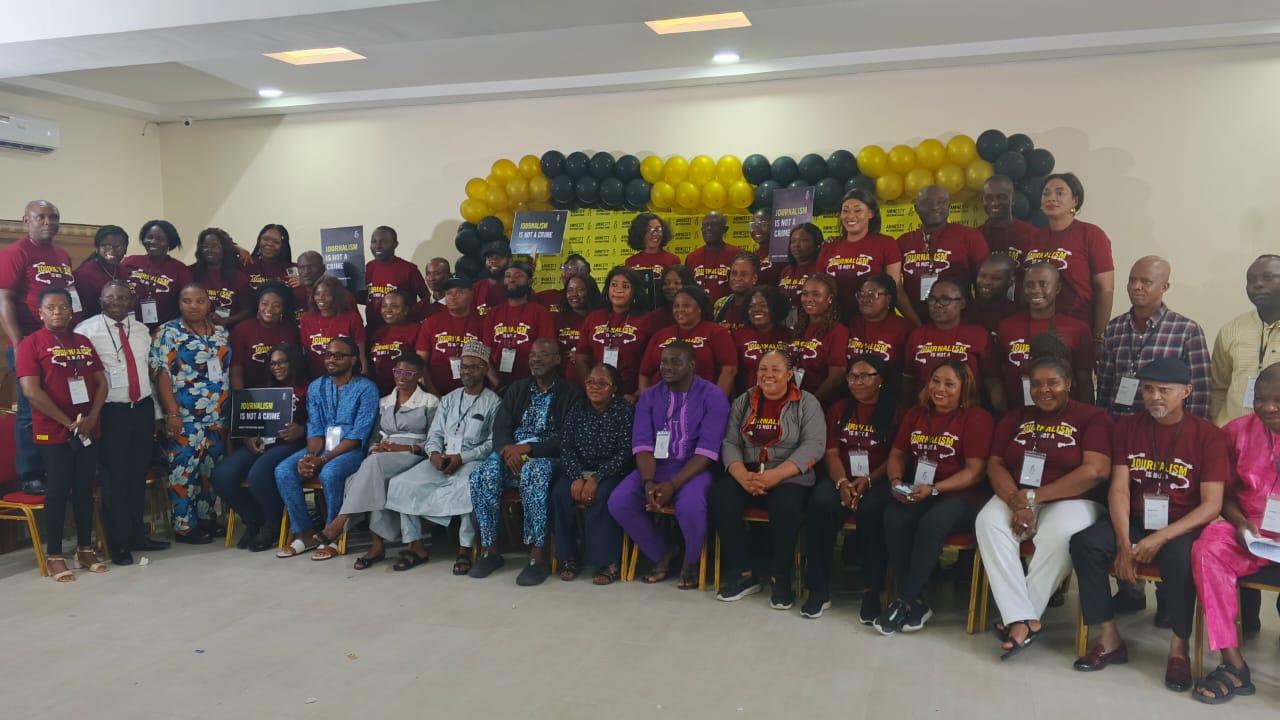
Over 50 Journalists in South South region of Nigeria have been urged to embrace human rights-centered and gender-sensitive journalism as a tool for justice, accountability, and social change.
This call was made during a two-day Amnesty International Media Training held at Rosmohr Golden Hotel, Uyo, Akwa Ibom State, with the theme: Human Right Centered Journalism.
The training brought together journalists from across the Niger Delta; Edo, Cross River, Akwa Ibom, Rivers states, including Team Bayelsa, and featured expert-led sessions on press freedom, safety, ethics, and the integration of a gender lens in reporting.
Speaking during the opening session, Dr. Abdul Mahmud who delivered a lecture on Press Freedom and the Law: Navigating Legal Risks in Journalism, emphasized the importance of legal literacy in protecting media practitioners. He stressed that without knowledge of the law, journalists remain vulnerable to intimidation and harassment.
In her session, Dr. Anne Agi highlighted the significance of Journalism with a Gender Lens: Protecting Life, Shaping Narrative. She explained that gender-sensitive reporting is not about political correctness but about fairness, justice, and preventing the reinforcement of harmful stereotypes. She cited recent examples, such as misleading claims in Nigerian media about women’s morality, which underscored the dangers of sensationalism.
Other sessions included Journalism Theory and Practice: A Human Right Perspective by John Omilabu, and Reporting Under Threat: Practical Safety Strategies for Journalists by Dr. Kabiru Danladi, who also spoke on Applying Media Ethics in Daily Practice: From Code to Conduct.
The training underscored Amnesty International’s cardinal objective of fighting human rights violations through responsible journalism. As a global movement present in over 150 countries, Amnesty emphasized the media’s watchdog role in holding public office holders accountable and ensuring balanced, investigative reporting.
Participants were introduced to key tools for effective communication, including research, advocacy, community mobilization, human rights education, and strategic media collaboration. These tools, the facilitators stressed, would help journalists counter misinformation, promote inclusion, and strengthen civic engagement.
Highlighting case studies of survivor-centered reporting from outlets such as BBC and The Guardian Nigeria, the training demonstrated how ethical storytelling can protect dignity, amplify silenced voices, and inspire community-based solutions to social issues.
In a joint resolution, participants committed to promoting journalism that advances human rights, resists sensationalism, and contributes to building an inclusive and just society.