Bayelsa Deepens Aquaculture Investment Drive as Commissioner Attends World Bank Training
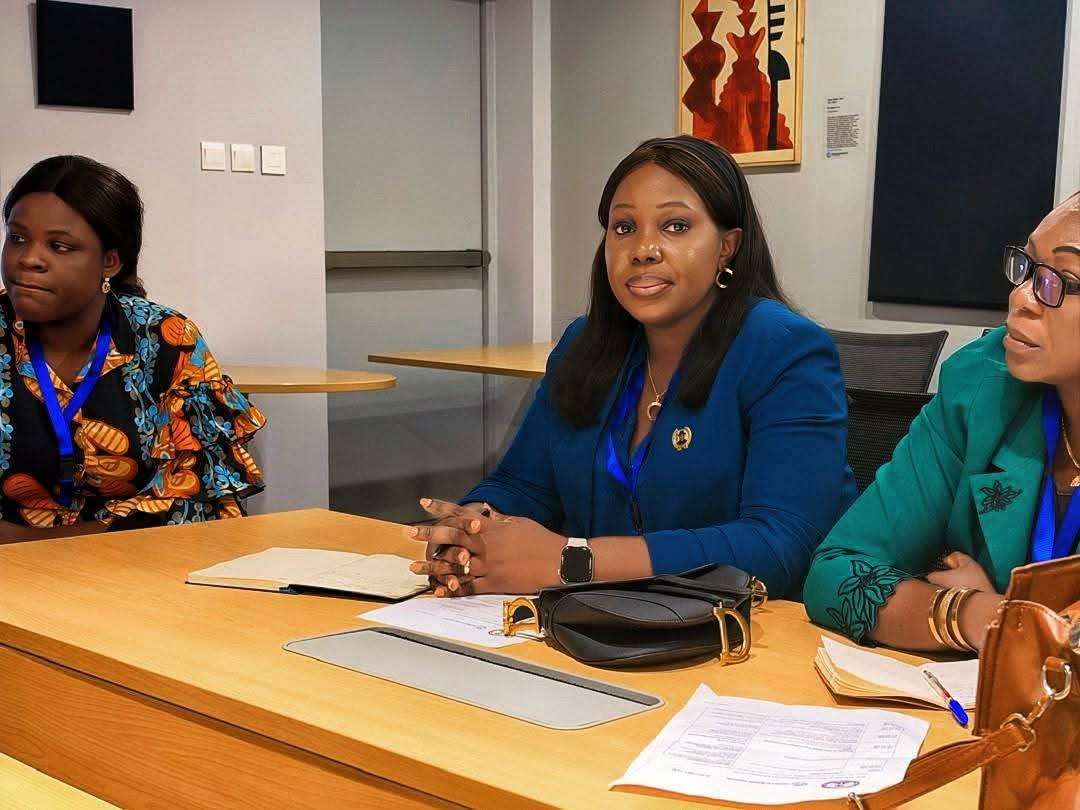
By Jonah Fubara, YENAGOA – Bayelsa State has intensified efforts to unlock investment opportunities in aquaculture and strengthen its blue economy sector, as the Commissioner for Marine and Blue Economy, Dr. Faith Izibenua Zibs-Godwin, participated in a World Bank Group training on aquaculture business development and investment in Abuja.
The training, held on Thursday, November 5, 2026, brought together policymakers, government officials, financial institutions and private sector stakeholders to explore practical strategies for developing sustainable and commercially viable aquaculture businesses in Nigeria.
Organised by the World Bank Group in collaboration with the Federal Ministry of Marine and Blue Economy, the programme focused on the application of the World Bank’s Aquaculture Business and Investment Guide in identifying, evaluating, structuring and financing investment opportunities in the aquaculture industry.
Discussions at the training covered the technical requirements for establishing aquaculture businesses, investment risk management, environmental and social safeguards, as well as the development of bankable business models capable of attracting private sector financing.
Participants also engaged in interactive working sessions to examine the current state and investment prospects of Nigeria’s aquaculture industry, with particular emphasis on public-private partnerships as a means of expanding production capacity and strengthening domestic seafood supply.
The participation of the Bayelsa Commissioner underscores the state’s growing interest in leveraging its vast aquatic resources and geographical advantages to attract investments, promote fish production and create economic opportunities within the marine and blue economy sector.
With its extensive river systems, creeks, wetlands and coastal resources, Bayelsa has significant potential for commercial aquaculture development, particularly in fish farming, seafood processing, distribution and related value-chain activities.
The training is part of broader regional and national efforts to bridge seafood supply gaps through sustainable aquaculture development, improved investment frameworks and stronger collaboration between government and private sector operators.