National Assembly ‘Landlords’: 18 Lawmakers Who Have Spent the Longest Time in NASS
Despite regular elections conducted every four years by the Independent National Electoral Commission (INEC), a number of Nigerian lawmakers have continued to return to the National Assembly of Nigeria, building long legislative careers that span decades.
These long-serving lawmakers, popularly referred to in political circles as “landlords” of the National Assembly, are those who have served multiple terms either in the Nigerian Senate or the House of Representatives of Nigeria, or have moved from the Green Chamber to the Red Chamber over time.
Since Nigeria’s return to democratic rule following the Nigerian Fourth Republic, several lawmakers have successfully maintained their political relevance by winning consecutive elections and consolidating influence within the legislature.
Although the 2023 Nigerian General Election witnessed a high turnover of lawmakers—particularly in the House of Representatives where more than 230 of the 360 members were first-time legislators—some experienced politicians retained their seats, continuing their long-standing presence in the federal parliament.
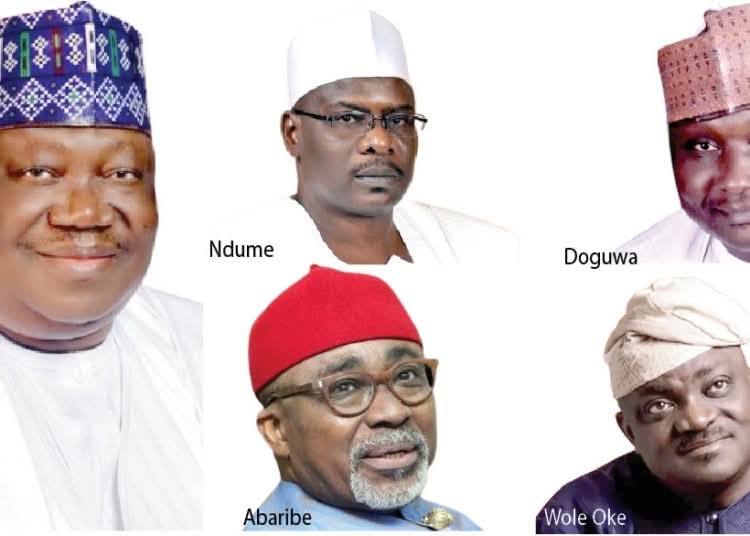
Among the most prominent of these is Ahmad Lawan, a former President of the Senate, who has been a member of the National Assembly since 1999. He began his legislative journey in the House of Representatives representing Bade/Jakusko Federal Constituency of Yobe State before moving to the Senate in 2007 to represent Yobe North Senatorial District. Over the years, Lawan has served as Senate Leader and eventually Senate President in the 9th Assembly. He is currently Chairman of the Senate Committee on Defence and is serving his seventh term in the National Assembly.
Another long-serving legislator is Nicholas Mutu, who has represented Bomadi/Patani Federal Constituency of Delta State in the House of Representatives since 1999. With over two decades in the Green Chamber, Mutu has chaired strategic committees such as Niger Delta Affairs and Gas Resources and is presently the leader of the Southern Region caucus.
From Borno State, Ali Ndume has maintained a strong presence in the legislature since 2003. He first served in the House of Representatives representing Chibok/Damboa/Gwoza Federal Constituency before moving to the Senate in 2011 to represent Borno South. Over the years, Ndume has held key leadership roles including Senate Majority Leader and Chief Whip.
Similarly, Alhassan Doguwa of Kano State has served several terms in the House of Representatives. First elected during the aborted Third Republic in 1992, he returned to the House in 2007 and has since remained a prominent figure, serving as Chief Whip and House Leader. He currently chairs the House Committee on Petroleum Resources (Upstream).
Another Borno lawmaker, Mohammed Tahir Monguno, has also maintained a long legislative career. After serving briefly during the Third Republic, he returned to the House in 2007 and was elected to the Senate in 2023 where he currently serves as Senate Chief Whip.
Among the women on the list is Khadijat Bukar Abba-Ibrahim, who has represented Damaturu/Gujba/Gulani/Tarmuwa Federal Constituency in Yobe State since 2007. Although she briefly served as Minister of State for Foreign Affairs between 2016 and 2019, she returned to the House and currently chairs the House Committee on Maritime Safety, Education and Administration.
In the Senate, Enyinnaya Abaribe has remained a dominant political voice since 2007, representing Abia South Senatorial District. A former deputy governor of Abia State, Abaribe served as Senate Minority Leader in the 9th Assembly and currently chairs the Senate Committee on Power.
Other ranking lawmakers with long tenures include Idris Wase of Plateau State, Muktar Betara of Borno State, and Wole Oke of Osun State, all of whom have spent close to two decades in the House of Representatives.
Several senators have also built lengthy careers in the Red Chamber. These include Adamu Aliero of Kebbi State, Adeola Olamilekan representing Ogun West, Danjuma Goje of Gombe State, and Ibrahim Gobir of Sokoto East.
Notably, former Sokoto State governor Aminu Waziri Tambuwal also returned to the National Assembly after his gubernatorial tenure, having previously served in the House of Representatives between 2003 and 2015 where he rose to become Speaker.
In the current 10th National Assembly, the Speaker of the House, Abbas Tajudeen, is also among the long-serving legislators, having first been elected in 2011. Similarly, James Abiodun Faleke of Lagos State and Kingsley Chinda of Rivers State are both serving their fourth terms in the House of Representatives.
Political analysts say the continued return of these experienced lawmakers reflects a mix of strong grassroots political structures, incumbency advantages, and voter confidence in their legislative experience.
However, critics argue that the dominance of long-serving lawmakers may limit opportunities for fresh political entrants. Supporters, on the other hand, maintain that institutional memory and legislative expertise are essential for effective lawmaking and oversight.
As Nigeria’s democracy continues to evolve, the debate over legislative longevity versus political renewal remains a defining feature of the country’s parliamentary politics.