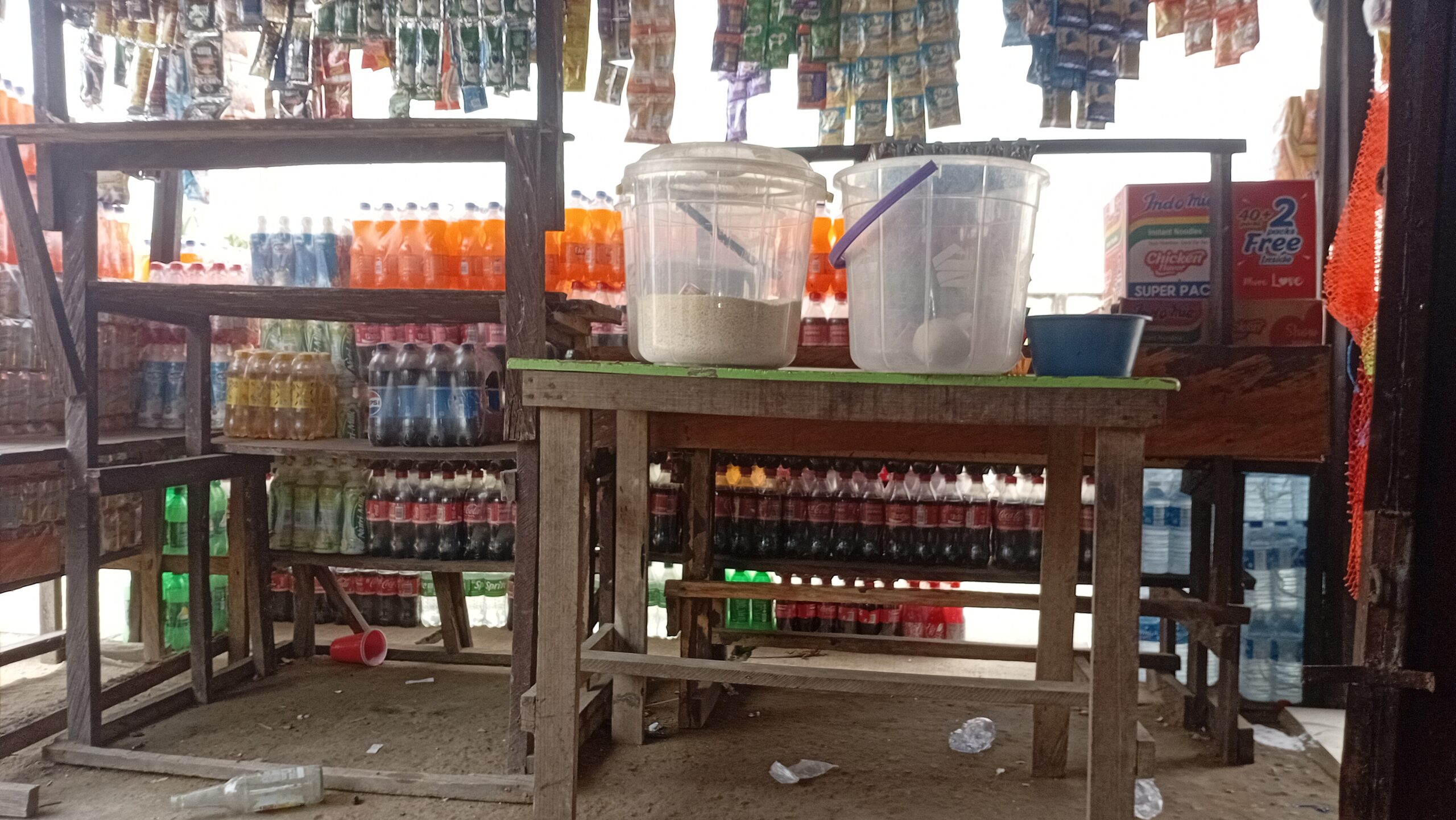
Nigeria Faces Worsening Hunger Crisis as Millions Struggle for Food
By Goodness Unity – Nigeria is facing an escalating hunger crisis, with millions of citizens struggling to access adequate nutrition as food prices soar and economic challenges deepen across the country. Recent reports from the National Bureau of Statistics (NBS) reveal that over 17 million Nigerians are severely food insecure, a situation worsened by inflation, ongoing conflicts, and climate-related crop failures. According to the World Food Programme (WFP), nearly 35 million Nigerians are experiencing acute food insecurity, with over 30 million people across 26 states and the Federal Capital Territory projected to face critical shortages during the lean season.
Experts warn that the rising cost of staple foods such as rice, maize, and beans is pushing low-income households to the brink. According to the Food and Agriculture Organization (FAO), the cost of a basic food basket in Nigeria has increased by nearly 25% over the past year, leaving many families unable to afford three nutritious meals a day. Communities in the Northeast, affected by insurgency and displacement, are particularly vulnerable. Aid agencies report that internally displaced persons (IDPs) often survive on minimal rations, while rural farmers struggle with erratic rainfall, floods, and pest infestations that destroy crops.
In Lagos and other urban centers, food insecurity is now coupled with unemployment and inflation, forcing families to adopt coping strategies such as skipping meals, reducing portion sizes, or relying on cheaper, less nutritious alternatives. “The situation is dire,” says Dr. Aisha Bello, a nutritionist based in Abuja. “Hunger is no longer limited to remote areas—it is now a pressing urban challenge as well.”
Voices from affected communities highlight the human toll behind the numbers. In Kano State, two-year-old Rahama lies in a crowded malnutrition ward, her tiny frame supported by a feeding tube. Her father, Mustapha Ismail, repairs bicycles for a living but struggles to provide even basic meals. “Before now, we could afford nutritious meals,” he said. “Now, rice and beans are beyond our means most days.”
In the northeast, Maryam, a displaced mother, survives in a makeshift camp with her husband and two children after losing her farm to conflict. She sews clothes and farms on borrowed land, but insecurity and high food prices make even modest meals difficult. “We just eat small amounts,” she says, describing life in a camp where aid is often limited and food vouchers run out before the month ends.
Seventy-year-old farmer Churi Ibrahim from Dikwa shares a similar struggle. Despite cultivating his own crops, he sometimes goes two to three days without food, unable to feed his family of ten. His plight mirrors that of many elderly farmers in conflict-affected villages where agricultural productivity has sharply declined.
Government efforts to mitigate the crisis include subsidies on essential commodities, expansion of social safety nets, and collaboration with international organizations. However, critics argue that more sustainable policies, such as improved agricultural infrastructure, targeted food distribution, and support for smallholder farmers, are urgently needed to prevent widespread malnutrition and starvation.
The World Food Programme has also sounded the alarm, calling for immediate intervention to avert a looming humanitarian disaster. “Without decisive action, the number of people facing acute hunger in Nigeria could rise dramatically in the coming months,” a WFP spokesperson said.
As the nation grapples with economic pressures and climatic challenges, hunger threatens to undermine health, productivity, and social stability, highlighting the urgent need for coordinated national and international efforts to ensure food security for all Nigerians.