Nigeria Moves to Harness €59m EU Ocean Fund to Combat Illegal Fishing
- FG seeks stronger surveillance, enforcement support as conservationists demand marine protected areas
ABUJA — The Federal Government has intensified efforts to tackle illegal, unreported and unregulated (IUU) fishing by positioning Nigeria to benefit from the European Union’s €59 million West Africa Sustainable Ocean Programme (WASOP), aimed at strengthening ocean governance and protecting marine resources across the Gulf of Guinea.
The government also called for enhanced technical support from the European Union in the areas of maritime surveillance, fisheries monitoring and enforcement, as part of broader measures to curb illegal fishing activities threatening the nation’s marine ecosystem and coastal economies.
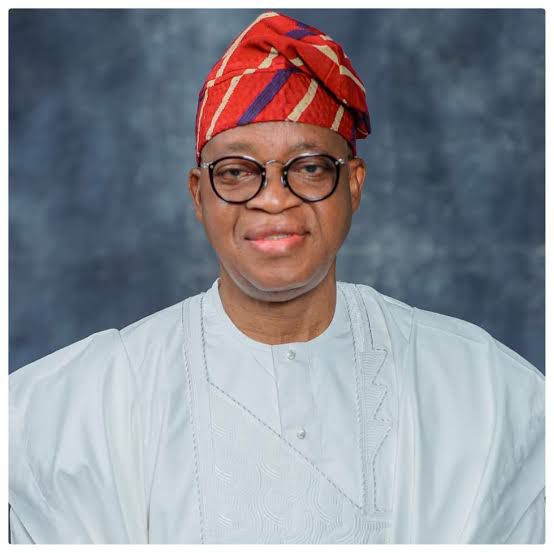
Minister of Marine and Blue Economy, Dr. Adegboyega Oyetola, made the disclosure during a meeting with the European Union Ambassador to Nigeria, Gautier Mignot, in Abuja, where both parties reaffirmed their commitment to strengthening collaboration on maritime security and sustainable ocean management.
According to a statement issued by the Minister’s Special Adviser, Dr. Bolaji Akinola, Oyetola commended the EU for its sustained support towards maritime stability in the Gulf of Guinea, describing the region as vital to global trade and economic development.
He noted that the WASOP initiative presents a strategic opportunity for West African nations to coordinate efforts against illegal fishing, improve governance of marine resources and promote sustainable exploitation of ocean wealth.
The minister stated that Nigeria is prepared to fully participate in the programme to attract technical expertise and financial assistance needed to strengthen enforcement mechanisms and advance the country’s blue economy agenda.
Oyetola warned that illegal fishing continues to pose significant threats to marine biodiversity, food security and the livelihoods of coastal populations.
“Illegal, unreported and unregulated fishing is a direct threat to national security, food sovereignty and the survival of our coastal communities,” he said. “We cannot afford to stand by and watch our marine ecosystems be depleted and economic livelihoods eroded. Stronger international collaboration, backed by robust monitoring and effective enforcement, is essential to dismantle these illicit operations and protect our waters.”
Meanwhile, the Biodiversity Preservation Centre (BPC) has urged the Federal Government to establish legally recognised marine protected areas as part of efforts to preserve Nigeria’s ocean ecosystems from mounting environmental pressures.
In a statement marking World Oceans Day 2026, the conservation organisation warned that habitat degradation, pollution and unsustainable exploitation of marine resources are placing increasing strain on the country’s oceans and the millions of Nigerians who depend on them for food and livelihoods.
BPC Executive Director, Prof. Edem Eniang, and Director of Marine Conservation, Dr. Justina Obienu, stressed that ocean protection is both an environmental imperative and a responsibility to future generations.
Aligning with this year’s World Oceans Day theme, “Awaken New Depths,” the organisation called for stronger marine conservation policies, greater community participation, enhanced international partnerships and increased youth involvement in environmental stewardship.
The group highlighted its conservation efforts since 2009 across Akwa Ibom, Cross River and Rivers states, focusing on the protection of endangered marine species such as sea turtles, Atlantic humpback dolphins and African manatees.
BPC further urged the government to establish marine protected areas to safeguard critical habitats, conserve biodiversity and improve the survival prospects of threatened marine species across Nigeria’s coastal waters.