Why Nigerians Are Seeking the Re-election of Bola Tinubu
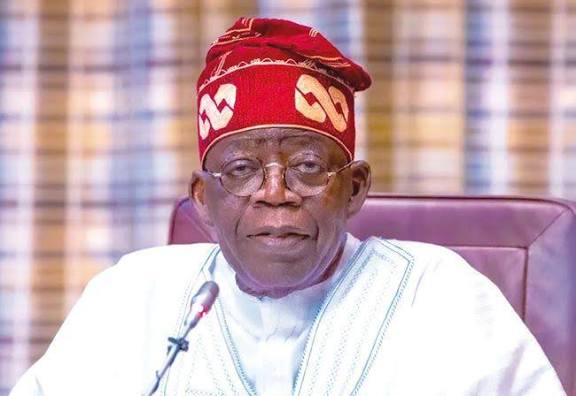
By Jonah Freeman — As the political landscape heats up ahead of the 2027 general elections, a growing number of Nigerians are publicly rallying behind President Bola Ahmed Tinubu. For them, his leadership represents not just governance, but a promise of continuity, stability, and gradual transformation in a nation often defined by uncertainty.
On the streets of Lagos, Port Harcourt, and Ibadan, ordinary citizens describe a government that has made tough economic choices. “Yes, fuel and food prices went up,” says Chinedu Okeke, a small business owner in Lagos, “but we can see the country moving forward. These reforms are necessary if we want long-term stability.” Supporters point to the administration’s fiscal policies, subsidy removals, and efforts to attract investment as bold steps that, despite short-term hardship, signal a government willing to tackle deep-seated economic challenges. Groups such as the South‑West Agenda for Asiwaju (SWAGA 2.0) have echoed this sentiment, framing these reforms as courageous moves toward sustainable growth.
Political continuity is another thread weaving through the narrative of Tinubu’s supporters. In the South‑East and South‑South, coalitions like the Renewed Hope Ambassadors argue that the president embodies stability and a unifying vision. Former local government leaders in states like Abia have also stepped forward to endorse him, highlighting the importance of maintaining cohesion across Nigeria’s diverse regions. For many, backing Tinubu is less about party politics and more about safeguarding a sense of national unity.
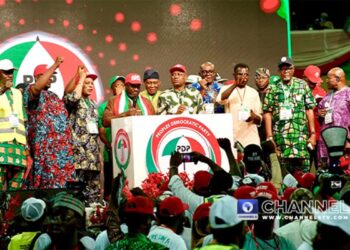
The machinery behind this support is as active as it is visible. APC leaders are mobilising communities in the South‑West and beyond, confident that their grassroots networks can deliver millions of votes. In Ondo State, the Progressive Network for Tinubu has been working to engage both indigenes and non-indigenes, turning political endorsement into an organised, participatory movement. “We want to show our confidence in leadership by stepping out to vote,” says Adebayo Fashola, a youth activist involved in the campaign.
Beyond numbers and policies, moral support and public perception play a key role. Civic commentators urge Nigerians to rise above ethnic or regional divisions, suggesting that Tinubu’s continued presidency could strengthen collaboration and social cohesion. Religious and traditional leaders have weighed in, too, framing stability and continuity as virtues that must guide political choices in a nation still navigating economic and security hurdles.
Despite the controversies and criticism that surround his tenure, the narrative among Tinubu’s supporters is clear: this is a moment to consolidate reforms, protect political stability, and continue the nation on a steady path of growth. For many Nigerians, the choice is simple — in a country of complex challenges, continuity under a leader they trust outweighs the uncertainty of abrupt change.