Canna Lily In Ijaw Ethnobotany: Medicinal, Cultural And Agricultural Uses Of Beni-Otu In The Niger Delta
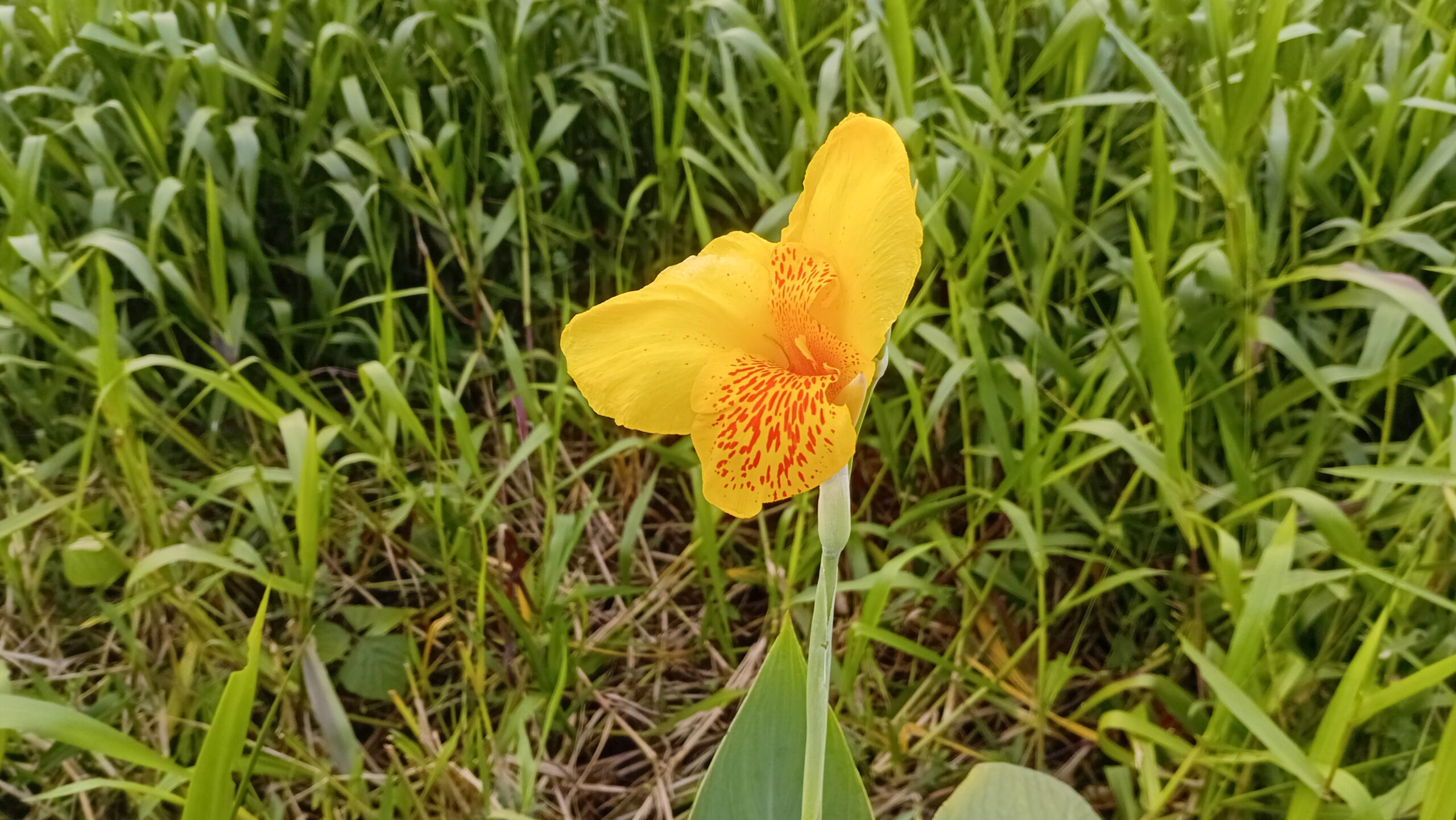
By Victor Oroyi – Among the Ijaw people of the Niger Delta, plants are not merely elements of the natural environment but living partners in health, culture, and spirituality. One such plant is the Canna Lily (Canna indica), locally known as Beni-Otu or Angala-Otu, meaning “water flower.” Commonly found along creeks, riverbanks, wetlands, and floodplains, Beni-Otu occupies an important place in Ijaw ethnobotanical knowledge, serving medicinal, cultural, and ecological functions passed down through generations.
Beni-Otu In Ijaw Worldview And Natural Habitat
In the Ijaw worldview, water-related plants are sacred due to the people’s ancestral relationship with rivers and aquatic ecosystems. Beni-Otu thrives in moist soils and shallow waters, particularly around fishing settlements and farmlands.
Traditionally, the presence of Beni-Otu is believed to signify fertile land, clean water, and spiritual balance. In some communities, the plant is not uprooted carelessly, as it is thought to possess protective spiritual essence linked to water spirits and ancestral forces.
Medicinal Uses Of Beni-Otu In Ijaw Ethnobotany
Ijaw traditional medicine relies heavily on plant-based remedies, and Beni-Otu is valued for its cooling and healing properties.
Treatment Of Body Swellings And Inflammation
The rhizome of Beni-Otu is used in treating body swellings, joint pain, boils, and inflammatory conditions. The rhizome is pounded into a paste, gently warmed, and applied externally to affected areas to reduce pain and swelling.
Fever And Malaria-Related Weakness
Leaf decoctions of Beni-Otu are administered to individuals suffering from fever, malaria, and general body weakness, particularly during the rainy season. The herbal preparation is believed to cool the body, restore strength, and flush out internal heat.
Digestive And Stomach Relief
The starchy rhizome, when cooked and mashed, is used as a mild remedy for stomach upset, internal heat, and digestive discomfort. It is especially given to children and elderly persons due to its gentle effect on the stomach.
Wound Healing And Skin Conditions
Fresh leaves are crushed and applied directly to minor wounds, burns, and skin infections. In Ijaw belief, the plant draws out heat and infection while promoting faster healing.
Cultural And Spiritual Significance Of Beni-Otu
Beyond medicine, Beni-Otu holds deep cultural and spiritual meaning within Ijaw society.
Symbol Of Peace And Protection
In many Ijaw communities, Beni-Otu is planted around shrines, waterfront homes, and family compounds as a symbol of peace and protection. The plant is believed to ward off negative spiritual influences and maintain harmony within the household.
Role In Water-Related Rituals
Beni-Otu is used in traditional rituals associated with water, fertility, and thanksgiving. The yellow flower represents purity, life, and divine favour, making it suitable for offerings to river spirits and ancestral deities.
Land And Boundary Marker
The plant is sometimes used as a natural boundary marker between farmlands or communal spaces. Its presence signifies ancestral ownership and serves as a spiritual warning against land encroachment.
How Ijaw Communities Cultivate And Propagate Beni-Otu
Beni-Otu grows best in moist or swampy soil, especially along riverbanks and flood-prone farmlands. It thrives under full sunlight and adapts easily to the Niger Delta’s humid climate.
Propagation Through Rhizomes (Traditional Method)
Ijaw farmers traditionally propagate Beni-Otu using rhizome division. A mature plant is carefully uprooted, and the rhizome is cut into sections, each containing at least one bud. The sections are replanted shallowly near water sources, where regular flooding or watering encourages rapid growth.
New shoots usually emerge within one to two weeks.
Maintenance And Sustainability
The plant requires minimal maintenance, is naturally resistant to pests, and is often intercropped with other wetland plants. Its strong root system also helps prevent soil erosion along riverbanks.
The Relevance Of Beni-Otu In Contemporary Ijaw Heritage
As modernization and environmental degradation threaten indigenous knowledge systems, Beni-Otu remains a living symbol of Ijaw ethnobotany. Documenting and preserving the traditional uses of plants like Canna lily is essential for cultural continuity, environmental conservation, and potential future medicinal research.
Conclusion
The Canna Lily, known among the Ijaw as Beni-Otu, is far more than an ornamental plant. It is a medicinal resource, cultural emblem, spiritual protector, and ecological stabilizer deeply woven into Ijaw identity. Preserving knowledge about Beni-Otu ensures that the wisdom of the Ijaw people continues to thrive alongside the rivers and lands that sustain them.