Ijaw Group Seeks Court Intervention on Bayelsa LGA Expansion, Resource Control Dispute
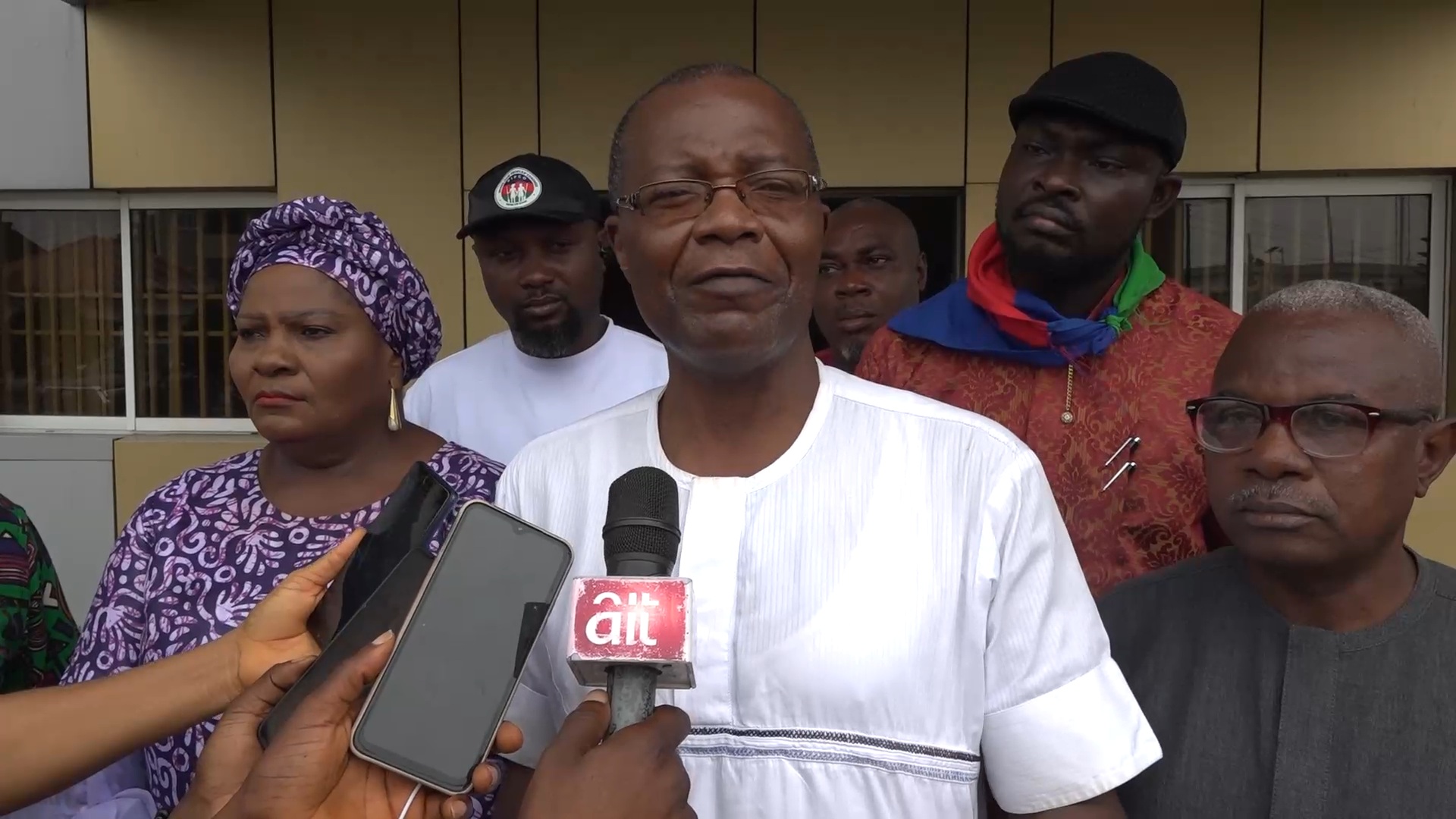
By Dim Oba, YENAGOA — The Supreme Egbesu Assembly (SEA) has instituted a legal action at the Federal High Court in Yenagoa against the National Assembly and the Federal Government, seeking the creation of additional Local Government Areas (LGAs) in Bayelsa State and greater control of natural resources within the Ijaw territory.
In a press statement issued on Tuesday, the group disclosed that the lawsuit followed the expiration of a 21-day ultimatum earlier issued on February 12, 2026, demanding a response from the Federal Government on the long-standing issues. According to the SEA, no official response was received, prompting the move to seek judicial intervention.
The Assembly noted that the agitation for more LGAs in Bayelsa predates the creation of the state, lamenting what it described as a “deliberate refusal” by the National Assembly to amend relevant provisions of the 1999 Constitution (as amended) despite claims that constitutional requirements have been met.
The group argued that Bayelsa State, currently with eight LGAs, remains underrepresented compared to other states, describing the situation as unjust—particularly given its status as an oil-producing state. It further pointed out that the state already has 24 Rural Development Authorities (RDAs), which, according to the Assembly, could be converted into LGAs to enhance grassroots development and improve access to federal allocations.
On the issue of resource control, the SEA said the suit represents a revival of the Ijaw people’s long-standing demand for economic autonomy. The group criticized the current system, which it said denies oil-producing communities control over their resources, contrasting it with earlier regional arrangements where resource ownership and management were localized.
“Nigeria can no longer operate a system where contributors to the national coffers are not in charge of their resources,” the statement read, emphasizing the need for what it termed economic justice for the Ijaw Nation.
The Assembly called on Ijaw people and other stakeholders across the Niger Delta to remain resolute and actively support the legal process by attending court proceedings. It also urged allied organizations and communities to join what it described as a collective struggle for equity and resource control.
The case, which had its first hearing on Tuesday, is expected to test constitutional provisions surrounding local government creation and resource ownership in Nigeria.