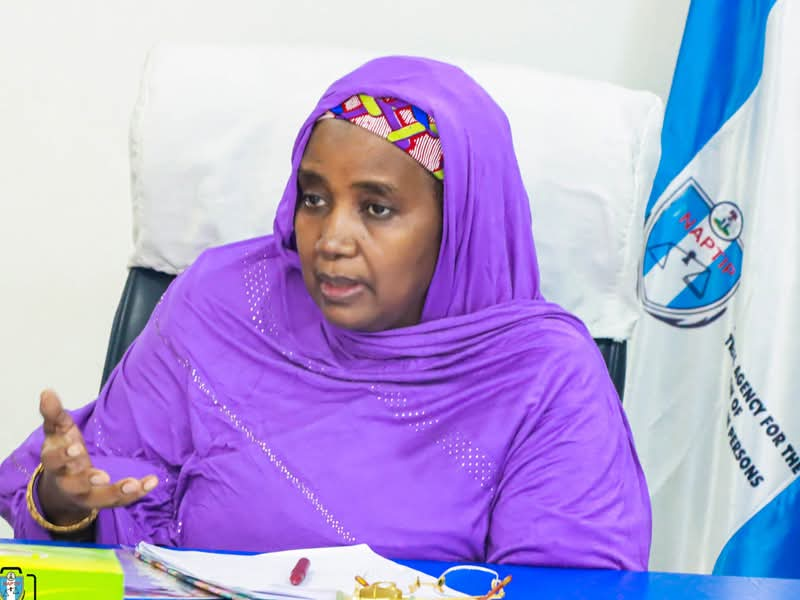
NAPTIP Warns Against Out-of-Court Settlements in Sexual Violence Cases
By Tams Jonah, ABUJA – The National Agency for the Prohibition of Trafficking in Persons (NAPTIP) has warned against out-of-court settlements in sexual and gender-based violence cases, stressing that such offences must be handled through established legal procedures to ensure justice for survivors.
According to Arise News, NAPTIP’s Head of Media and Public Relations, Vincent Adekoye, gave the warning while speaking to journalists at a mentorship programme for members of the State Sexual and Gender-Based Violence (SGBV) Media Corps.
The programme was sponsored by the European Union and International IDEA to review the progress of the Media Corps and discuss challenges affecting efforts to combat sexual and gender-based violence.
Adekoye cautioned against informal arrangements that could undermine investigations and allow perpetrators of sexual offences to evade justice.
His comments followed a presentation by a participant who said findings from field investigations suggested that some sexual offence cases were being settled outside the courtroom without formal judicial pronouncements.
The NAPTIP spokesperson maintained that only a court of competent jurisdiction could make binding judicial pronouncements in criminal cases, urging stakeholders to ensure that allegations of sexual violence were not handled in ways that compromised the justice process.
He also warned against the use of cultural or religious practices to shield alleged perpetrators or prevent survivors from seeking justice.
Adekoye called on journalists to strengthen collaboration with law enforcement agencies, judicial authorities, social workers, community leaders and organisations working to protect vulnerable persons.
He stressed the importance of responsible reporting of sexual and gender-based violence, particularly the need to protect survivors’ identities, preserve their dignity and prevent further stigmatisation or discrimination.
The NAPTIP official urged media practitioners to go beyond reporting individual incidents by investigating systemic challenges, identifying gaps in institutional responses and holding relevant authorities accountable.
He noted that the evolving nature of sexual and gender-based crimes required journalists to remain vigilant, deepen their understanding of the issues and report developments accurately and professionally.
The agency’s warning underscores the need for stronger institutional responses, accessible reporting channels, prompt investigations and adequate support services to ensure that survivors can seek justice without intimidation or discrimination.