NCDMB Drives Strategic Overhaul of NCCF to Boost Oil and Gas Capacity Development
The Nigerian Content Development and Monitoring Board (NCDMB) has initiated a comprehensive overhaul of the Nigerian Content Consultative Forum (NCCF), setting a new course aimed at delivering high-impact outcomes for Nigeria’s oil and gas sector.
- NCDMB Drives Strategic Overhaul of NCCF to Boost Oil and Gas Capacity Development
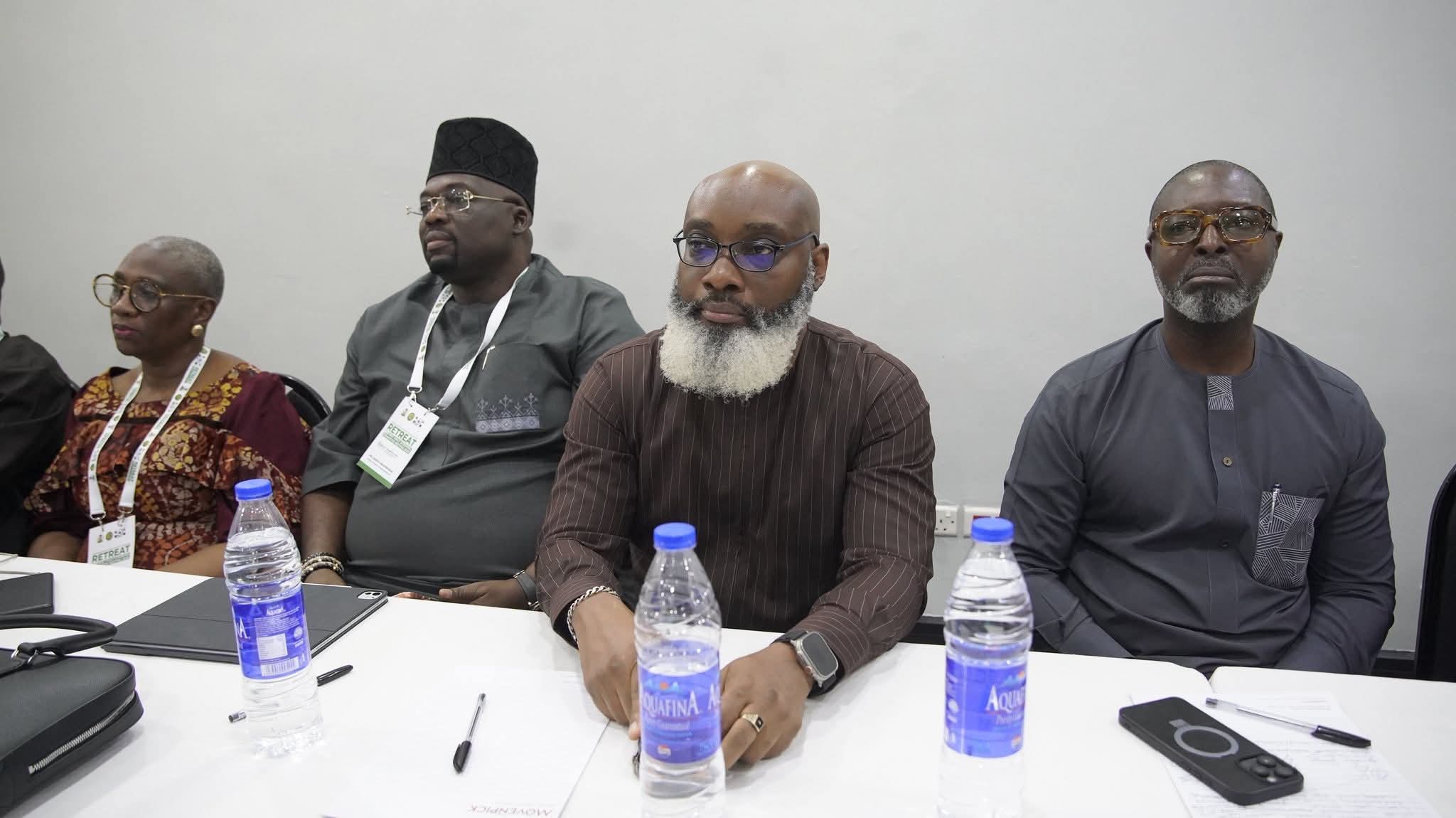
The mov was announced during a two-day retreat and the first segment of the 2026 NCCF Steering Committee Meeting, where stakeholders gathered to reassess the forum’s structure, operations, and long-term direction.
Declaring the retreat open, the Executive Secretary of NCDMB, Engr. Felix Omatsola Ogbe, described the exercise as a “defining moment” in the evolution of the NCCF. He noted that while the forum has experienced steady growth since its inception, a more deliberate and strategic approach is now required to achieve meaningful results.
“The NCCF began as a vision, modest in structure but bold in intent. Today, we can confidently say that this platform has grown, nurtured by dedication, strengthened by collaboration, and sustained by a shared commitment to advancing Nigerian content,” Ogbe said.
Represented by the Acting Director of Planning, Research and Statistics, Ogbe emphasized the need for intentional planning and long-term impact, urging stakeholders to move beyond routine engagements.
“This retreat is not just another meeting; it is a defining moment. We are here to reflect, interrogate our current realities, and chart a clearer, more strategic path forward for the NCCF,” he added.
A key highlight of the discussions was the presentation of a baseline study conducted by Ernst & Young (EY), which assessed the forum against global best practices. The study identified critical gaps in strategic direction, coordination, and operational efficiency, while also offering a pathway for repositioning the NCCF for greater relevance.
Partner at EY and session facilitator, Mr. Damilola Aloba, outlined the retreat’s core objectives, including strengthening leadership alignment on NCCF’s long-term vision, improving coordination between the forum and its Sectoral Working Groups (SWGs), and fostering shared ownership among stakeholders.
“We aim to ensure clear expectations across NCDMB, the NCCF Secretariat, and SWGs, while enhancing coordination frameworks for smoother implementation and more consistent stakeholder engagement,” Aloba said.
Findings from stakeholder consultations revealed several challenges, including unclear strategic direction, delays in project approvals, weak evaluation and tracking systems, and reliance on NCDMB as the sole funding source. There were also concerns about the absence of clear criteria for assessing project viability and impact.
Despite these limitations, Aloba acknowledged the strong commitment of SWG members, particularly their contributions of time and resources toward capacity development initiatives across the oil and gas value chain.
Earlier, Acting Deputy Manager of NCCF, Engr. Bright Amatoru, provided an overview of the forum’s operations. He explained that the NCCF was established under Sections 57 and 58 of the Nigerian Oil and Gas Industry Content Development (NOGICD) Act and has, since 2014, engaged stakeholders across 12 SWGs to identify industry gaps and implement targeted interventions.
“Our function is to identify issues in the priority mapping and provide solutions through extensive stakeholder engagement,” Amatoru said.
He highlighted notable achievements, including the development of National Operational Standards to harmonize capacity development initiatives and the creation of the Marine Assets Listing System to build a comprehensive database for the industry.
Amatoru also referenced benchmarking studies in fabrication, as well as initiatives such as the Women in Oil and Gas Conference and mentorship workshops conducted in collaboration with the Diversity SWG.
However, he admitted that the absence of a clear strategic framework has hindered the forum’s ability to effectively prioritize interventions.
“As of today, we have not had a very clear direction on how to select interventions. That clarity is critical as we align industry expectations with global best practices,” he noted.
The ongoing reform is part of NCDMB’s broader effort to develop a comprehensive strategic roadmap for the NCCF, aligned with its 10-year plan and the evolving demands of Nigeria’s oil and gas industry.
Participants at the retreat are expected to produce actionable recommendations, strengthen governance structures, and define a clear execution pathway that will enhance the forum’s capacity to deliver on its mandate.