The Weight of Being an African Child: Contextualizing the Character, Mama Monica in Uche Montana’s Monica 1 & 2
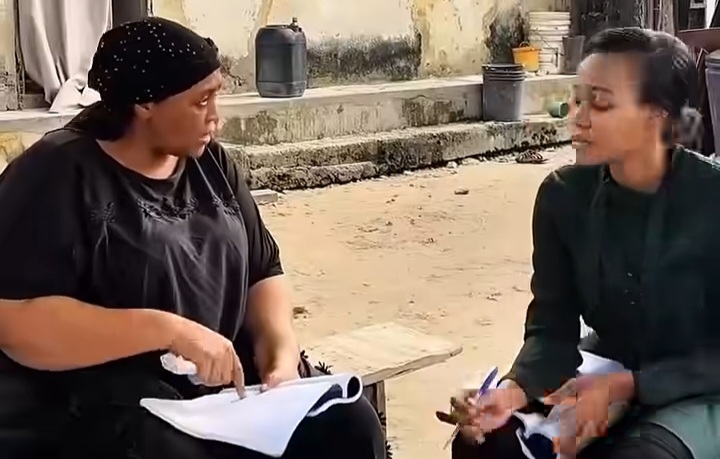
By Victor Oroyi – Mama Monica, the central character in Uche Montana’s Monica Part 1 & 2, has continued to generate widespread conversation, with audiences sharply divided over her actions and parenting style. Insights from a recent interview on national television offer context to Blessing Onwukwe’s interpretation of the role, revealing that the character’s motives, desires, and mannerisms are deeply rooted in her past.
The storyline mirrors a familiar reality in many African homes, where the parent-child relationship is often shaped by discipline, sacrifice, and unspoken expectations. In such settings, children—particularly first daughters—are frequently positioned as extensions of their parents’ struggles and aspirations. This dynamic, while culturally ingrained, often places a heavy emotional and psychological burden on the child.
Analysts argue that Mama Monica embodies a typical archetype of motherhood within this context—firm, unyielding, and driven by a belief that hardship builds strength. However, beneath this rigidity lies unresolved trauma. Her lack of remorse, regret, or sympathy reflects not just personal disposition, but the internalization of a system where emotional expression is often suppressed. To her, these traits are normal, and her daughter must conform to the weight of being the “first child” and “first daughter.”
Experts note that parental trauma, when unaddressed, can have far-reaching effects on children. It often manifests in cycles, where pain experienced by one generation is unconsciously transferred to the next. Children raised under such conditions may struggle with identity, self-worth, and emotional expression, even as they strive to meet expectations placed upon them.
Further examination of Blessing Onwukwe’s portrayal highlights this complexity, offering audiences a layered understanding of the character, Monica. Beyond her actions is an underlying pain—a pain that has taken years to form and even longer to heal.
As public discourse continues, there are growing calls for a shift in parenting approaches across the continent. Observers emphasize the need for parents to acknowledge their own experiences and create healthier emotional environments for their children. Allowing the African child to breathe, explore, and define themselves is increasingly seen as essential for breaking cycles of inherited trauma.
Despite the controversy surrounding Mama Monica, Onwukwe’s performance has been widely praised for its authenticity and emotional depth, resonating with many who recognize elements of their own lived experiences in the story.