NAPTIP Raises Alarm Over Human Trafficking Cases in Amassoma, Warns Vulnerable Residents
By Ebis Freeman, YENAGOA – The National Agency for the Prohibition of Trafficking in Persons (NAPTIP), Bayelsa State Command, has raised concerns over reported human trafficking cases involving Amassoma community in Southern Ijaw Local Government Area, warning residents to remain vigilant against traffickers exploiting economic hardship to lure vulnerable people into criminal networks.
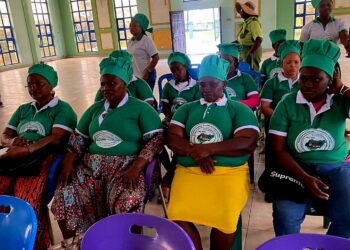
The State Commander, Mrs Ngozi Opara, raised the concern on Friday, October 23, 2026, during a town hall sensitisation meeting in Amassoma, where she urged community leaders, parents and residents to work together to prevent human trafficking and report suspicious activities to the agency.
Opara said the prevailing economic situation had made vulnerable individuals easier targets for traffickers, who exploit financial difficulties and the hopes of unsuspecting victims to draw them into trafficking networks.
She disclosed that the Bayelsa Command had recently received several human trafficking cases from Amassoma, warning that the community could face a growing threat if residents failed to take collective action against the crime.
The commander called for increased public awareness of the tactics used by traffickers, stressing the need for residents to recognise warning signs, protect vulnerable people and promptly report suspected cases to NAPTIP.
She said community participation was essential to the fight against human trafficking, noting that awareness and timely reporting could help prevent exploitation and protect potential victims.
Responding, the Acting Amananaowei of Amassoma, Chief Godwill Akedesuo, thanked Opara and her team for bringing the campaign to the community and pledged that community members would report suspected human trafficking cases to the command.
Akedesuo also urged parents to pay closer attention to their children, particularly their friendships and associations, as part of efforts to protect them from exploitation and recruitment by traffickers.
Traditional chiefs and other community stakeholders attended the meeting, which formed part of NAPTIP Bayelsa Command’s efforts to strengthen community-level awareness and cooperation against human trafficking.
A major highlight of the campaign was the traditional issuance of “Red Cards” to human traffickers, a symbolic declaration of the community’s rejection of the crime and its determination to work with the authorities to combat it.
The sensitisation exercise underscored the importance of collaboration between law enforcement agencies, traditional institutions, parents and residents in preventing human trafficking, particularly in communities where economic vulnerability can be exploited by criminal networks.