Ngozi Opara Assumes Office As New NAPTIP State Commander In Bayelsa
The National Agency for the Prohibition of Trafficking in Persons (NAPTIP), Bayelsa State Command, on Monday formally received a new State Commander, Mrs. Ngozi Opara, in a brief but symbolic handover ceremony held at the Command headquarters.
Mrs. Opara took over leadership of the Command from Mr. Fadeware Timiebiowei, who had been acting as State Commander following the study leave of the pioneer State Commander, Mrs. Abieyuwa Ikhidero. Mr. Timiebiowei was on ground to officially hand over responsibilities to the newly posted Commander.
Described as a seasoned investigator with years of professional experience, Mrs. Opara expressed gratitude to officers and men of the Bayelsa State Command for the warm reception accorded her. She urged personnel to remain disciplined and committed, charging them to serve as worthy ambassadors of NAPTIP in the discharge of their duties.
The new State Commander took time to commend her predecessor, Mrs. Abieyuwa Ikhidero, for laying a solid foundation and for the impactful work carried out during her tenure. She further solicited the cooperation and unwavering support of officers and men of the Command to enable her succeed in her new assignment.
Mrs. Opara stated that she was delighted to resume duty in Bayelsa State, pledging to intensify the fight against human trafficking and related crimes. According to her, the Command under her leadership would work tirelessly to ensure that traffickers are flushed out of the state.
In his remarks, Mr. Fadeware Timiebiowei thanked the Director-General of NAPTIP for deploying what he described as a passionate and experienced investigator to head the Bayelsa State Command. He assured the new Commander of the total support and cooperation of officers and men of the Command, stressing their readiness to work with her to achieve the agency’s mandate.
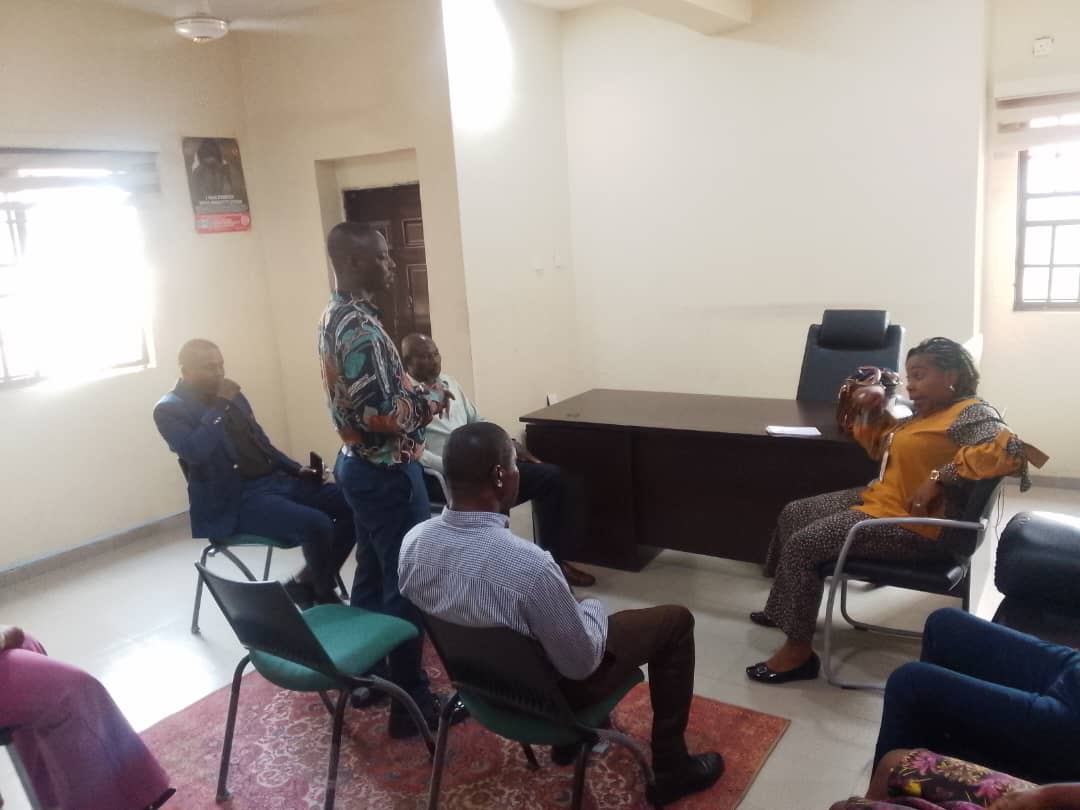
The meeting ended on a cordial note, with officers posing for photographs to mark the official change of leadership, as captured in the pictorial evidence from the event.