Stakeholders Call for Increased HIV Awareness, Funding to Combat Stigma in Bayelsa
By Ebis Freeman, YENAGOA — Stakeholders in the HIV response sector have called for sustained advocacy, intensified sensitisation campaigns, and increased public access to HIV education to reduce the stigma and discrimination faced by people living with HIV in Bayelsa State.
They also advocated for continuous training of healthcare personnel, expanded community sensitisation programmes on HIV, and increased funding for HIV-related interventions to improve service delivery across the state.
The stakeholders made the call during a capacity-building workshop on Strengthening the State Response Team on Gender and Human Rights (GHR) Programme Development held in Yenagoa, the Bayelsa State capital.
The workshop, organised by the National Agency for the Control of AIDS (NACA) in partnership with the Bayelsa State Agency for the Control of AIDS (SACA), was aimed at assessing Gender and Human Rights programmes, identifying strengths and gaps, and addressing inequities in policies, programmes, and service delivery.
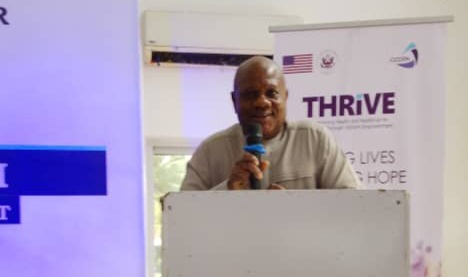
Speaking during the event, the South-South Zonal Coordinator, Mr. Nnamso Thomas, described the workshop as a strategic platform for stakeholders to discuss human rights issues affecting HIV response efforts and chart a way forward.
According to him, the meeting was designed to strengthen the capacity of stakeholders to assess existing interventions and address gaps relating to gender, legal, and human rights issues in the state.
“It is a meeting to strengthen our capacity, assess our progress, address gaps in gender, legal and human rights issues in the state, review what we have done, and identify what more needs to be done,” he said.
In his opening remarks, the Project Manager of SACA, Mr. Charles Enuma, appreciated participants for attending the workshop and encouraged them to remain committed to acquiring more knowledge on HIV-related issues.
The five-day capacity-building workshop is expected to assess key thematic areas, including the elimination of stigma and discrimination, non-discriminatory healthcare provision, access to justice, rights-based law enforcement, and the reduction of gender-based discrimination and violence.
Other areas of focus include legal literacy, improving laws, regulations and policies, as well as strengthening community mobilisation and advocacy efforts.
Participants expressed optimism that the workshop would enhance collaboration among stakeholders and contribute to a more inclusive and rights-based HIV response in Bayelsa State.