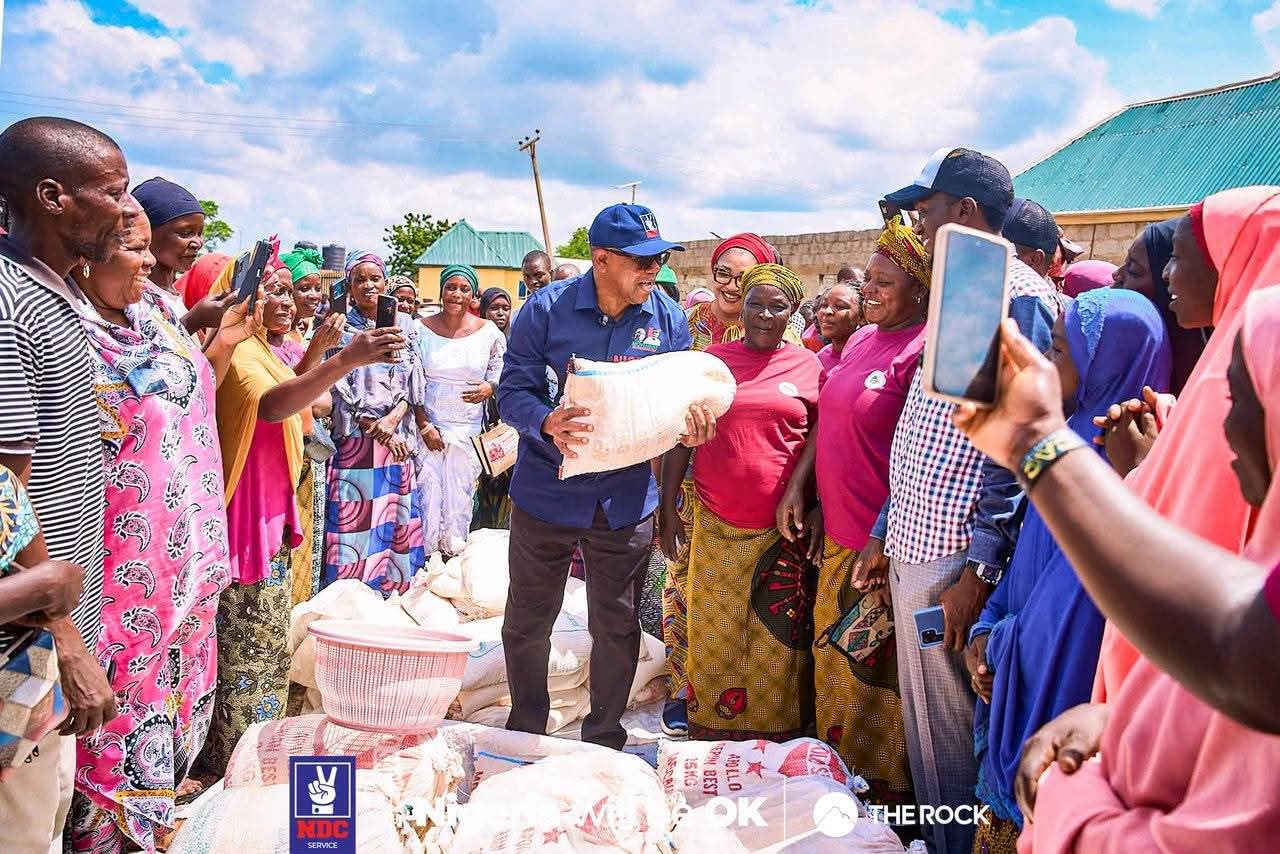
World Poverty Day: Obi Says Nigeria Should Have Declared Public Holiday
By Mercy Tula, SOUTHERN DESK – Peter Obi, presidential candidate of the Nigeria Democratic Congress (NDC) for the 2027 general elections, has criticised rising poverty in Nigeria, saying the country should have declared a public holiday to encourage national reflection on the worsening economic hardship facing millions of citizens.
Obi, in a statement marking the International Day for the Eradication of Poverty, said Nigeria’s rising poverty levels reflected a country moving backwards despite its abundant human and natural resources.
He cited figures indicating that the poverty rate rose from 40.1 per cent in 2019 to 56.2 per cent in 2023, with an estimated 63 per cent of Nigerians projected to be living in poverty in 2026.
According to him, millions of Nigerians are struggling to afford food and access healthcare, while government narratives about economic progress appear disconnected from the realities confronting ordinary citizens.
“What meaning does economic growth have when citizens are getting poorer, hungrier, and more insecure?” he asked, insisting that progress should be measured by improvements in people’s living conditions.
The former Anambra State governor said the deepening poverty crisis required genuine concern and a more deliberate response from the government.
He suggested that Nigeria should have observed the international day as a public holiday, not for celebration, but as an opportunity for national reflection on the country’s failure to translate its vast resources into improved living standards.
Obi maintained that poverty was not Nigeria’s destiny, arguing that competent leadership, prudent management of public resources, investment in education and healthcare, and support for agriculture and small businesses could help reverse the trend.
He called for a new Nigeria where citizens would no longer go to bed hungry and everyone could live with dignity.
Obi expressed optimism that such a Nigeria was possible, stressing the need for purposeful leadership and policies that place citizens’ welfare at the centre of governance.