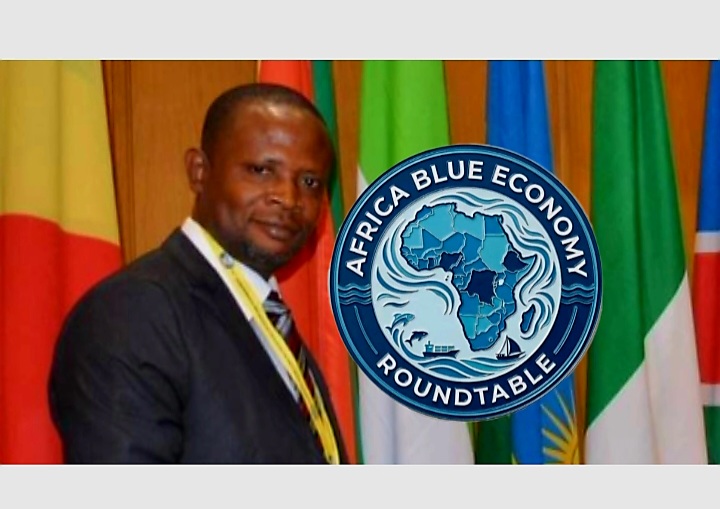
ABER Urges Africa To Embrace Smart Blue Tourism As World Marks Tourism Day
By Tams Jonah, ABUJA – The Africa Blue Economy Roundtable (ABER) has called on African countries to embrace digital technology and artificial intelligence to transform tourism, protect marine ecosystems and tackle the continent’s growing climate, biodiversity and plastic pollution crises.
The Roundtable made the call as the global tourism community marks World Tourism Day 2026 under the theme, “Digital Agenda and Artificial Intelligence to Redesign Tourism,” with El Salvador serving as the global host.
In a statement issued on Sunday in Abuja by ABER’s Director of Communication and Public Affairs, Hajiya Medina Dauda Nadabo, the Convener and Founder of the Roundtable, Dr. Piriye Kiyaramo, joined UN Tourism and the Government of El Salvador in commemorating the Day.
Kiyaramo said Africa must move away from extractive tourism practices that degrade natural resources towards what he described as “immersive tourism” capable of generating revenue while financing the protection of the environment.
According to him, digital technology provides the bridge between tourism development, environmental conservation and sustainable economic growth.
ABER urged African governments to invest in National Digital Tourism Systems, AI-enabled marine monitoring and youth-led BlueTech innovation hubs as part of efforts to build a smarter and more sustainable tourism industry.
The Roundtable also proposed smart applications that would allow tourists to report illegal fishing, record wildlife sightings and participate in conservation activities, effectively turning visitors into partners in environmental protection.
Kiyaramo said the continent’s three major environmental challenges — climate change, biodiversity loss and plastic pollution — cannot be separated from the digital transformation of tourism.
“For Africa’s Blue Tourism, they are the very reason we need AI and digital redesign in the first place. This aligns with ABER’s official position: Smart Blue Tourism – Where Code Meets Coast,” he said.
He expressed concern that rising sea levels, coastal erosion, ocean warming and extreme weather events were threatening some of Africa’s major tourism assets, including the beaches of Mombasa and Cape Town, the mangroves of the Niger Delta and the islands of Zanzibar.
Kiyaramo said artificial intelligence could be deployed to forecast coastal erosion, flooding and coral bleaching, enabling tourism operators and governments to warn communities, reroute tourists and develop climate-resilient tourism infrastructure.
“African governments need to invest in digital tools to monitor and reduce the carbon footprint of hotels, boats, and flights, promoting low-carbon blue tourism.
“Without AI, we cannot climate-proof Africa’s blue tourism. With AI, we can sell resilience as an experience,” he said.
On biodiversity, Kiyaramo noted that overfishing, coral reef destruction and the loss of marine turtles, dolphins and mangroves were threatening the natural resources that attract tourists to Africa’s coastal destinations.
He said AI-powered drones and underwater cameras could be deployed to monitor turtle nesting, whale migration and coral health without disturbing fragile ecosystems.
He also advocated the use of augmented and virtual reality technologies to provide immersive experiences of sensitive ecosystems, thereby reducing physical pressure on vulnerable sites while creating alternative revenue streams.
“We must move from extractive tourism that destroys biodiversity to immersive tourism that funds its protection – and digital is the bridge,” Kiyaramo stressed.
The Roundtable further raised concerns over the volume of plastic entering Africa’s waterways, noting that plastic pollution was damaging marine ecosystems and undermining the attractiveness of coastal tourism destinations.
ABER proposed the deployment of satellite imagery and AI to identify plastic pollution hotspots along the Gulf of Guinea in real time.
It also called for digital platforms that would connect hotels, fishermen and recycling enterprises to transform plastic waste into tourism products, crafts and other commercial opportunities.
The Roundtable further proposed mobile applications that could reward tourists with points for participating in beach clean-ups or patronising plastic-free tourism facilities.
“A clean ocean is Africa’s best tourism brochure. Digital tools make cleanliness measurable, marketable, and monetizable,” Kiyaramo said.
ABER said Africa’s Blue Tourism sector is confronted by a triple environmental crisis of climate change, biodiversity loss and plastic pollution, stressing that artificial intelligence and digital technology should therefore be viewed not merely as tools for making travel bookings faster, but as instruments for redesigning tourism around environmental sustainability.
The Roundtable described this approach as “Smart Blue Tourism – Where Code Meets Coast,” saying it offers Africa an opportunity to position itself as a source of innovative solutions to global tourism and environmental challenges.