Ebola: Bayelsa Activates Emergency Preparedness, Intensifies Surveillance
By Jonah Fubara, YENAGOA – The Bayelsa State Government has intensified disease surveillance and activated emergency preparedness measures following the confirmation of an imported case of Ebola Virus Disease in Abuja, assuring residents that no case has been reported in the state.
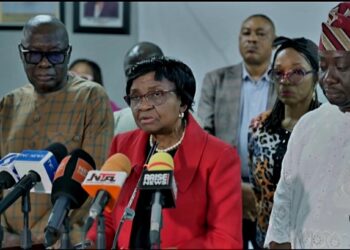
The Commissioner for Health, Professor Seiyefa F. Brisibe, disclosed this on Friday during a press conference in Yenagoa, where he outlined measures being taken to strengthen the state’s capacity to detect and respond to any suspected Ebola infection.
Brisibe said the Federal Ministry of Health and Social Welfare, through the Nigeria Centre for Disease Control and Prevention (NCDC), confirmed the imported case on October 20, 2026, adding that the patient was receiving medical care while contact tracing and other containment measures were underway.
He stressed that although no confirmed case had been recorded in Bayelsa as of October 23, the state government was taking proactive steps to minimise the risk of the disease entering and spreading within its territory.
According to him, the measures include strengthening the State Emergency Operations Centre, intensifying disease surveillance across the eight local government areas and reviewing isolation and case-management arrangements.
The commissioner said surveillance had been heightened in public and private healthcare facilities, major transport terminals and communities to facilitate the early detection, investigation and reporting of suspected cases.
He added that healthcare facilities had been reminded to maintain strict infection prevention and control measures, including the appropriate use of personal protective equipment to protect health workers and patients.
Brisibe said the state was also strengthening public awareness campaigns through the media, community leaders and other stakeholders to promote preventive practices, early reporting and the dissemination of accurate health information.
He noted that Bayelsa was collaborating with the NCDC, the World Health Organization and other relevant partners to ensure that its preparedness measures aligned with established public health guidelines.
Addressing residents, the commissioner urged the public to remain vigilant without panicking, stressing that Ebola was a serious infectious disease that required timely reporting and appropriate preventive measures.
He explained that the disease was transmitted primarily through direct contact with the blood or other body fluids of an infected person, as well as contaminated materials.
According to him, early symptoms could include fever, severe headache, weakness, muscle pain, vomiting and diarrhoea, while bleeding might occur in some cases but was not always present.
He advised residents to maintain regular hand hygiene, avoid direct contact with the body fluids of anyone suspected of having Ebola and refrain from handling sick or dead wild animals or consuming bushmeat from such animals.
The commissioner also urged anyone experiencing symptoms suggestive of Ebola, particularly after relevant travel or contact with a suspected or confirmed case, to seek prompt medical guidance and disclose any relevant exposure history to healthcare providers.
He further cautioned against the unsafe handling of bodies and called on residents to report suspected Ebola-related deaths to the appropriate health authorities.
Brisibe advised anyone who suspected exposure to the virus to contact the nearest health authority for guidance before visiting a healthcare facility, where possible.
He also warned against spreading unverified information or stigmatising individuals because of their travel history or suspected exposure, emphasising that Ebola was not transmitted through ordinary casual contact with healthy individuals.
The commissioner said Bayelsa would build on its experience in managing previous public health emergencies, including COVID-19, cholera and mpox, to strengthen surveillance, emergency coordination, infection prevention and rapid-response systems.
He disclosed that he had directed relevant technical teams to maintain heightened vigilance and promptly address identified gaps in the state’s preparedness arrangements.
Brisibe assured residents that the Ministry of Health would provide periodic updates as the situation evolved, pledging transparency in communicating developments to the public.
He called on healthcare professionals, traditional rulers, community leaders, religious organisations, transport operators and the media to support the government’s preparedness efforts.
The commissioner reiterated that protecting public health was a collective responsibility, urging Bayelsans to stay calm, remain informed and report suspected cases promptly.
He said the state government, under Governor Douye Diri, remained committed to protecting the health and safety of residents.