World Suicide Prevention Day: Mentally Ill Persons Are Rights Holders, Not Objects Of Charity — Ojeifo
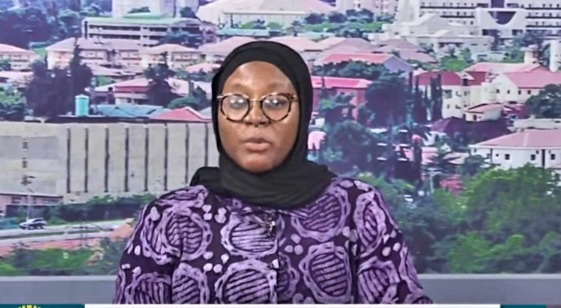
By Tams Jonah, ABUJA – Founder of She Writes Woman, Hauwa Ojeifo, has called for a fundamental shift in the way society views people living with mental health conditions, saying they should not be treated as objects of charity but as individuals entitled to dignity and their fundamental rights.
Ojeifo made the call on the sidelines of activities marking World Suicide Prevention Day 2026, where she stressed the need for families, communities and governments to take mental health and suicide prevention more seriously.
According to her, addressing suicide and mental health challenges requires more than sympathy, charity or isolated interventions, insisting that people experiencing mental health conditions must be recognised as rights holders.
“Persons with mental health conditions should not be seen as objects of charity but as subjects of actual rights,” Ojeifo said.
She also urged families to begin having what she described as “hard and uncomfortable conversations” about wellness, emotional distress and mental health.
“Families must begin to have hard and uncomfortable conversations about wellness and distress. We must start to have these conversations, have places to go to, and resources — helplines that people can actually reach out to,” she said.
Ojeifo noted that suicide prevention should not be viewed solely as an individual responsibility, arguing that the mental health of individuals is significantly influenced by the environments in which they live.
She said Nigeria must begin to approach mental health as a collective responsibility, with families, communities, institutions and government playing their respective roles in creating safer and more supportive environments.
“We must begin to look at our mental health as a collective outcome of the people within the environment and Nigeria as well,” she added.
World Suicide Prevention Day is observed annually to raise awareness about suicide prevention, reduce stigma and encourage collective action to save lives.
Ojeifo’s call comes amid growing advocacy for greater access to mental health services, stronger support systems and more open conversations around emotional distress and suicide in Nigeria.