VIGC Moves to Tackle Teenage Pregnancy, Return Out-of-School Ijaw Girls to Class
By Jonah Fubara, YENAGOA — The Voice of the Ijaw Girl Child (VIGC) has unveiled plans to expand scholarship opportunities, digital skills training, counselling and mentorship programmes to tackle teenage pregnancy and help out-of-school girls return to the classroom across Ijaw communities in the Niger Delta.
The initiative, announced by VIGC Executive Director and convener of the International Girl Child Summit, Timipre Tobi Ebiringa, is part of the organisation’s drive to move beyond annual celebrations towards sustained interventions that address the challenges confronting the girl child.
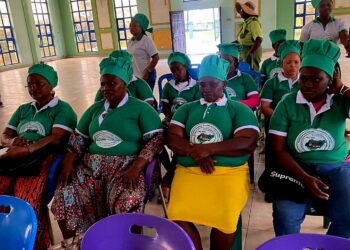
Speaking at the summit in Yenagoa, Bayelsa State, on Saturday, October 17, 2026, Ebiringa said VIGC was developing programmes to address the social conditions that expose girls to early pregnancy, disrupt their education and limit their opportunities for personal and economic advancement.
She disclosed that the organisation’s grand patron had expressed a commitment to supporting out-of-school girls from disadvantaged backgrounds with scholarships and assistance to resume their education.
“Our grand patron has said that she wants to empower out-of-school girls from very low backgrounds. She wants to give them scholarships, and we want to help them get back to school,” she said.
Ebiringa also announced plans for another phase of artificial intelligence (AI) training and additional skills acquisition programmes to equip Ijaw girls with relevant knowledge and practical skills for the future.
The proposed interventions build on an AI training programme organised by VIGC after the 2025 International Day of the Girl Child celebration, through which 20 girls acquired AI skills.
According to Ebiringa, the organisation intends to strengthen the impact of such programmes by ensuring that the girls continue to receive support long after participating in its activities.
“We believe in long-term interventions, not one-off programmes. Every data here is being collated; there would be a follow-up,” she said.
Ebiringa said her personal experiences growing up and accompanying her father to rural communities informed her decision to establish VIGC.
She recalled witnessing teenage mothers, including girls as young as 12, in communities where early pregnancy appeared to have become normalised.
The experience, she said, strengthened her conviction that Ijaw girls needed a platform to understand their self-worth, challenge harmful social expectations and pursue opportunities beyond early motherhood.
“What inspired Voice of the Ijaw Girl Child is my upbringing, going with my father to the local communities and seeing a lot of teenage mothers. A girl of 12 years is already pregnant; it was just like a norm,” she said.
“As a young girl, I was not happy about it. I believe that the Ijaw girl child needs to do better. She needs to understand her self-worth, that she is not just existing for reproduction. That is how the initiative, Voice of the Ijaw Girl Child, was created.”
She identified teenage pregnancy as a critical issue requiring greater attention in the Niger Delta, explaining that the experiences of girls in the region needed to be reflected in advocacy programmes designed to protect their rights and improve their welfare.
Speaking on the summit’s theme, “Empowering Her Future, End Child Marriage,” Ebiringa said VIGC was adapting the broader campaign to address the specific circumstances affecting girls in its target communities.
“What happens here is not child marriage; it is more of teenage pregnancy that forces girls into marriage. That is the difference,” she said.
She added that the organisation was determined to challenge the normalisation of teenage pregnancy by encouraging girls to make informed decisions, remain in school and pursue opportunities that would improve their lives.
“We are here to tell our girls that they deserve more. They deserve to make more informed decisions, they deserve to be empowered, they deserve to be educated. We are trying to change the norm and pattern of teenage pregnancy in the Niger Delta,” she said.
Beyond scholarships and skills development, the organisation is also strengthening its support system to enable girls to discuss personal challenges and access professional assistance.
Ebiringa said VIGC had established a platform where girls could speak with the organisation’s grand patron about sensitive experiences they might find difficult to share elsewhere.
The platform, she explained, would provide access to counsellors and other professionals who could offer guidance and support.
She said information gathered during the summit would also inform follow-up activities, helping the organisation identify the needs of participants and develop interventions that respond to their circumstances.
The approach, she added, reflects VIGC’s determination to ensure that the summit produces practical outcomes rather than ending with speeches and celebrations.
With planned scholarships, renewed AI training, vocational skills development, mentorship and counselling, VIGC aims to create more pathways for Ijaw girls to remain in education, develop marketable skills and make informed decisions about their futures.
The organisation’s renewed campaign places education, empowerment and sustained support at the centre of efforts to address teenage pregnancy and improve opportunities for girls across the Niger Delta.