New York Records First Measles-Related Death in 30 Years as US Outbreak Hits 4,834 Cases
By Joyce Sunny, FOREIGN DESK – New York has recorded its first measles-related death in three decades following the death of a child in Lewis County, as the United States battles its worst outbreak of the highly contagious disease in 35 years.
The death was confirmed by county and state health authorities on Monday, November 2, 2026, raising fresh concerns about the resurgence of a disease previously declared eliminated in the United States.
New York Governor, Kathy Hochul, expressed sadness over the incident, describing the child’s death as heartbreaking.
In a statement, Hochul said she could not imagine the pain the family was experiencing following the loss.
The governor also criticised federal health policies, describing the tragedy as a reminder of the consequences of weakening decades of progress in protecting Americans against preventable diseases.
According to the United States Centers for Disease Control and Prevention (CDC), 4,834 measles cases had been reported across 47 states as of October 29, 2026.
The outbreak represents the worst measles crisis in the country in 35 years, with health authorities increasingly concerned about declining confidence in vaccination and growing mistrust of public health institutions.
In October, Hochul declared a disaster emergency in New York following measles outbreaks in the state and neighbouring areas.
Measles was declared eliminated in the United States in 2000 after years of successful vaccination campaigns.
However, the disease has made a worrying comeback in recent years, with vaccine scepticism contributing to concerns about the spread of preventable infections.
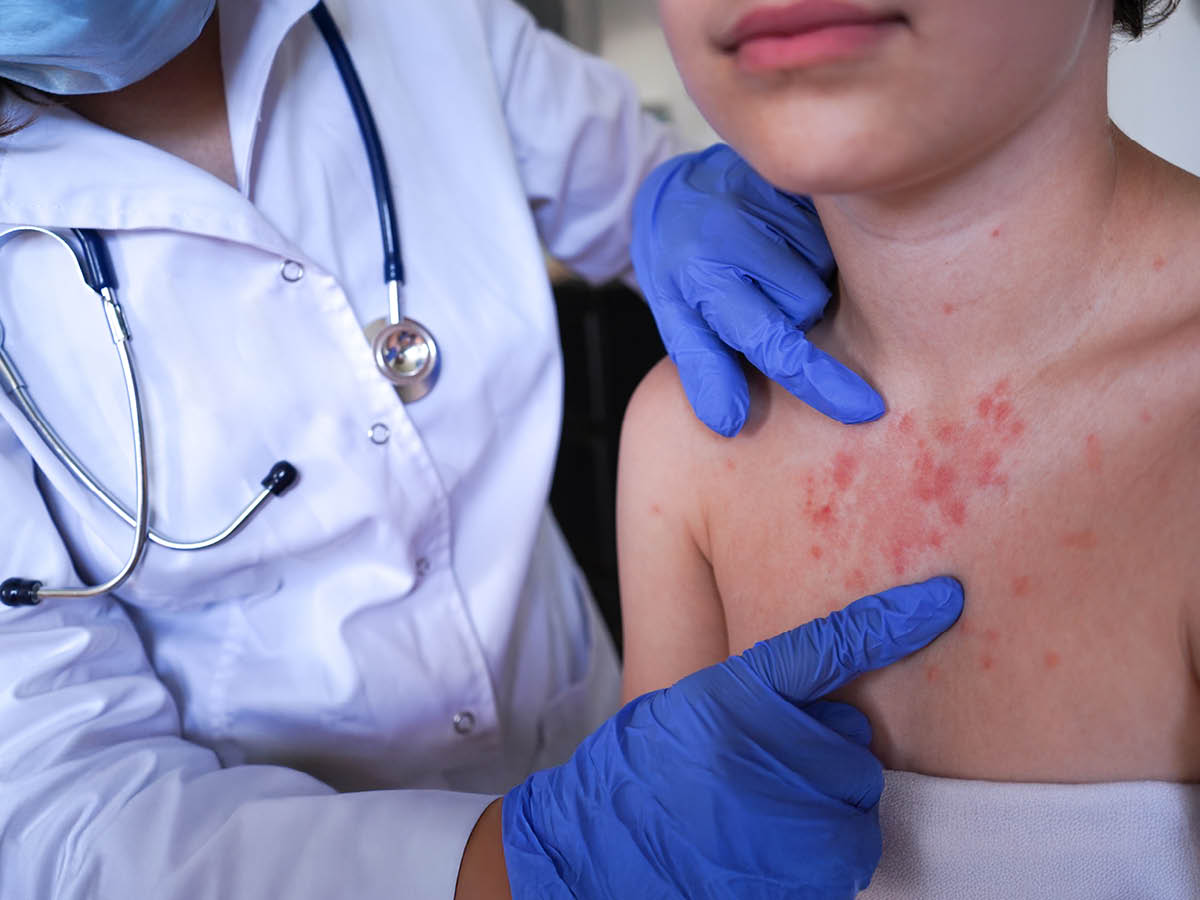
Measles is a highly contagious viral disease that causes fever, respiratory symptoms and painful skin rashes. In severe cases, it can lead to complications such as pneumonia and inflammation of the brain, which may result in death.
The disease continues to claim tens of thousands of lives globally each year, highlighting the importance of vaccination and sustained public health interventions.